Growing Demand for Guided Asthi Visarjan Services Reflects Changing Needs of Hindu Families

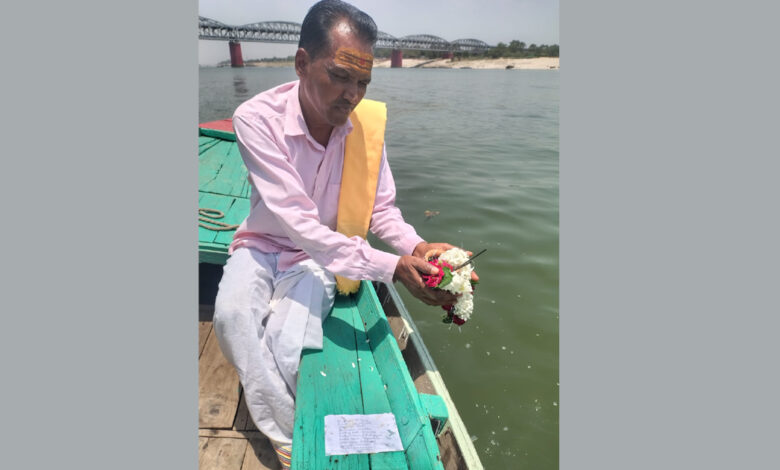
For centuries, Varanasi, also known as Kashi, has held a special place in Hindu traditions. Varanasi is deeply connected to Lord Shiva, the sacred Ganges, and the many traditional rituals observed on its ghats for generations. Among these traditions, Asthi Visarjan—the immersion of a loved one’s ashes into the holy waters of the Ganges following their death is one of the most significant last rites performed by Hindu families.
As more Hindu families navigate travel restrictions, health concerns, and geographical distances, the demand for guided asthi visarjan services is steadily rising. While Varanasi remains one of the most sacred sites for this crucial final rite, many families are now seeking organised support to fulfil traditional responsibilities while overcoming modern-day challenges.


Why Asthi Visarjan Holds Special Meaning for Hindu Families
For many families, Asthi Visarjan is not merely a religious ritual. It is a deeply emotional act of remembrance, respect, and reverence for departed ancestors. This ritual is often performed by prayers and Vedic customs under the guidance of experienced priests at sacred sites such as Manikarnika Ghat, Harishchandra Ghat, Assi Ghat, and Raj Ghat.
Many devotees believe that performing these rituals in Kashi holds profound spiritual significance and brings peace to families as they honour the memories of their loved ones. Driven by this belief, families from across India travel to Varanasi, making it one of the most preferred destinations for rituals dedicated to ancestors.
Why Many Families Need Help Arranging Asthi Visarjan Today
Although the significance of the ritual asthi visarjan remains undiminished, changing lifestyles have created new challenges. Factors such as the presence of elderly family members, health issues, professional commitments, and the growing number of Indians living abroad often make it difficult to travel to Varanasi.
Consequently, families are seeking reliable assistance that can help them perform these sacred rituals without unnecessary stress during an already emotionally charged time. Guidance with priest arrangements, ritual coordination, and ceremonial procedures has become an important requirement for many devotees seeking a smooth and respectful experience.
Making Asthi Visarjan in Varanasi Easier for Families
To meet evolving needs, platforms like Pitradev are helping families organise asthi visarjan ceremonies in Varanasi through organised and transparent support services.
In addition to assisting families visiting Kashi, the platform facilitates the asthi visarjan by post or remote arrangements for those unable to travel. Through this process, ashes can be safely sent to Varanasi, where qualified priests perform the rituals at the sacred ghats in accordance with traditional Vedic customs.
Families receive updates, photographs, videos, or confirmations of the ceremony, allowing them to stay connected to the ritual despite physical distance. Such services are particularly valuable for senior citizens, NRIs, and families living abroad who wish to fulfil their religious responsibilities while upholding the sanctity of tradition.
Keeping Ancient Traditions Alive in Modern Times
The growing trend of guided bone immersion services reflects a broader effort to preserve age-old traditions in a rapidly changing world. Rather than altering customs, these services help families maintain a meaningful connection to rituals that have been passed down through generations.
Varanasi remains a spiritual destination for millions and serves as a focal point for one of Hinduism’s most sacred final rites. By blending traditional values with modern amenities, initiatives like Pitradev are helping to ensure that the process of asthivisarjan remains meaningful, dignified, and accessible for families across India and around the world.