
The Path to Thoughtful Leadership
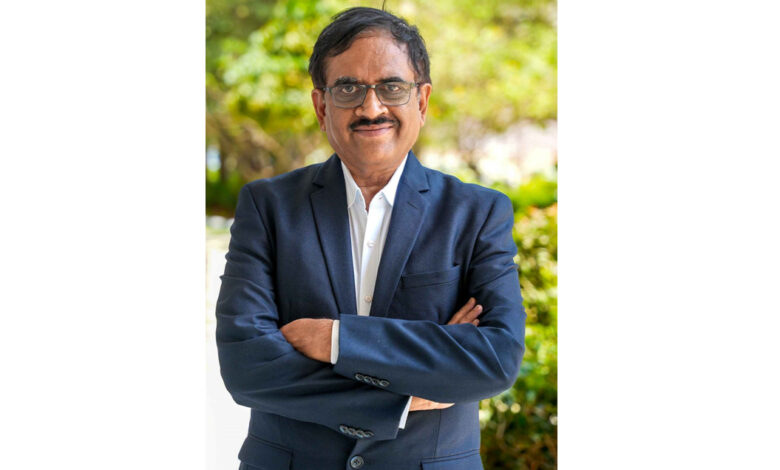
By – Satya Duvvuri, Professor of Practice, Paari School of Business, SRM University-AP


Introduction
Lord Ganesha’s wisdom carries timeless lessons for leadership. His story with Kartikeya is not just mythology — it is a framework for Design Thinking and thoughtful leadership in today’s organizations. As leaders face complex challenges, this story reminds us that success comes not from speed or might, but from empathy, clarity, and wisdom.
The Story of Ganesha and Kartikeya
Lord Siva once challenged his sons: circle the earth three times, and the winner would be rewarded. Kartikeya, armed with speed and valour, set off immediately on his mighty vehicle. Ganesha, however, paused. He empathized with his father, reflected on the deeper meaning, and realized that circling his parents — the very source of his world — was the true answer. When Kartikeya returned exhausted, Ganesha was already seated in his parents’ lap, declared the winner.
This story illustrates a profound leadership truth: success is not about rushing into action, but about pausing, empathizing, and redefining the problem before acting.
Pitfalls of Modern Leaders
Many leaders today fall into the trap of assuming they know everything. They distrust the existing team, believe solutions lie elsewhere, and look outward for talent or quick fixes. This is where the story of Mullah Naseeruddin becomes relevant. When he lost his key, he searched under the lamp where there was light, not where he had actually dropped it. Leaders often do the same — searching in convenient places instead of confronting the real problem.
The result? Disconnected strategies, wasted energy, and missed opportunities. True leadership requires looking where the problem began, not where it is easiest to search.
The Ganesha Model of Leadership
Ganesha’s approach offers a blueprint for leaders who want to succeed through empathy and clarity:
- Empathize with the team: Understand their strengths, challenges, and aspirations.
- Define the real problem: Do not confuse symptoms with causes.
- Collaborate with collective wisdom: Harness the intelligence of the group.
- Innovate with humility: Be open to feedback and iteration.
- Build trust: Nurture the team you inherit, rather than discarding them.
- Transition into success: Combine personal knowledge with team strength to create sustainable growth.
This model shifts leadership from command-and-control to trust and collaboration.
Business Reflection
Many leaders, when they first take charge, face resistance from their teams. Ego — the “I” or Aham — often stands in the way. Experienced mentors advise two timeless principles: replace “I” with “We” — moving from Aham to Vayam — and take care of the team so the team takes care of you. Leaders who embrace these principles discover that the resources they need are already within their teams. Freed from ego, they can bring in innovative ideas, complement team strengths, and achieve wonders together.
Surely leaders should have the valour of Lord Kartikeya — but true success comes when they act like Lord Ganesha.
The Learnings
From these reflections, three key learnings stand out for leaders today:
- Surely having might and valour a Karthikeya possessed is a must – but be Ganesha – learn to understand, apply compassion and work what takes to everlasting success – but not a quick fix.
- Leaders need not search for knowledge and resources elsewhere; They are well within his reach surrounding him.
- Having Ego – “I” – “Aham” is not bad – but – success comes searching when – “I” – “Aham” – transforms to “We” – “Vayam.”
Conclusion
Leadership is not about speed, external talent hunts, or flashy strategies. It is about empathy, trust, and wisdom. As Ganesha showed, success lies in understanding the spirit of the challenge and collaborating with the team you have. Leaders must avoid the Naseeruddin trap — searching in the wrong place — and instead, focus on the ground reality.
This Ganesh Navaratri, let us remember, true leaders win not by might, but by empathy, trust, and thoughtful design.