The healthcare industry in India is witnessing a quiet shift as more couples are seeking fertility consultations earlier than ever before, and the reasons go beyond medical necessity. What was once a subject spoken about in hushed tones is now entering mainstream conversations, shaped by awareness, lifestyle changes, and evolving priorities.
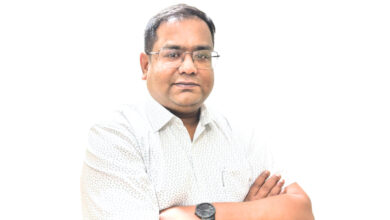
“Fertility consultations in India are rising due to delayed parenthood, lifestyle-related health conditions, and increased awareness. Clinical observations suggest that couples above 30 are now seeking medical advice within 6–12 months of trying to conceive, compared to several years of delay in the past. Global estimates indicate that infertility affects approximately 1 in 6 couples during their lifetime, making early evaluation an important step in improving outcomes.” says Dr. Nishi Singh, Head of Fertility at Prime IVF Centre (Gurgugram)


Changing Lifestyles Are Reshaping Fertility Patterns in India
For decades, fertility challenges were often associated with extreme cases or considered a last-stage concern. Today, however, even couples in their late twenties and early thirties are finding that conception may not always happen as quickly as expected. This does not necessarily signal a crisis, but it does reflect a broader transformation in how reproductive health is understood. One of the most significant drivers of this change is the shifting timeline of modern life. With greater emphasis on higher education, career growth, and financial stability, many individuals are choosing to start families later. While this brings emotional and economic readiness, it also intersects with biological factors that influence fertility.
Medical professionals point out that age remains one of the most important variables. Female fertility begins to gradually decline after the late twenties, with a more noticeable drop after 35. Male fertility, while often overlooked, is also influenced by age, lifestyle stress, and environmental exposure, affecting sperm quality and motility. Lifestyle patterns have also evolved in ways that impact reproductive health. Sedentary routines, long working hours, irregular sleep cycles, and dietary changes are contributing to hormonal imbalances. In India, conditions such as PCOS and thyroid disorders are being increasingly diagnosed, particularly among urban populations.
From Waiting to Acting: A Shift Toward Early Fertility Consultation
What distinguishes the current generation is not just the presence of fertility-related factors, but the response to them. Instead of waiting for years in uncertainty, many couples are choosing to seek clarity earlier. Medical guidance globally suggests that couples below 35 consider evaluation after 12 months of trying, while those above 35 are advised to consult within 6 months. This shift is now becoming visible across India’s urban healthcare landscape. Fertility consultations are no longer viewed as a last resort but as a practical step toward informed decision-making. Early assessments can often identify manageable concerns, recommend lifestyle adjustments, and in some cases, prevent the need for more complex interventions later.
Indian Couples Are Adopting a More Informed Approach to Parenthood
Perhaps the most important change is the evolving mindset. Fertility is no longer being approached with assumptions or prolonged uncertainty. Couples today are actively seeking to understand their reproductive health, asking the right questions, and making decisions based on clarity rather than guesswork. There is also a growing recognition that fertility is a shared responsibility. Clinical observations indicate that male factors contribute to a significant proportion of infertility cases, leading to a more balanced and collaborative approach between partners. Healthcare providers have adapted accordingly. At centres like Prime IVF Centre, the emphasis is on personalized care, combining medical expertise with transparent communication and emotional support. The goal is not just to provide treatment, but to guide couples through a structured and informed journey.
A Cultural Shift Toward Openness and Awareness
Beyond medical and lifestyle factors, a broader cultural shift is also shaping this trend. Fertility is no longer a topic confined to private conversations. Increased access to digital information, social platforms, and medical awareness campaigns has made it easier for couples to explore their options openly.
More individuals are:
- Seeking second opinions
- Exploring different treatment pathways
- Sharing their experiences
- Engaging in informed discussions
This openness is gradually reducing stigma and making fertility care more accessible, both emotionally and practically.
Conclusion
The rise in fertility consultations across India is not necessarily a reflection of a growing problem, but of growing awareness. Couples today are choosing to understand their bodies, seek timely guidance, and make informed decisions about their future. This shift from passive waiting to proactive planning is redefining how fertility is approached in the country. In many ways, this marks a turning point. Parenthood is no longer being left entirely to chance, it is being approached with knowledge, preparation, and support. And as more couples take this informed approach, the journey to parenthood is becoming not just more hopeful, but more empowered.