How Unikqo Is Helping Indian Brands Rewrite the Rules of Influencer Marketing in 2026
Internal campaign insights reveal why nano creators, long-term collaborations, and AI-powered decisions are shaping the future of influencer marketing.

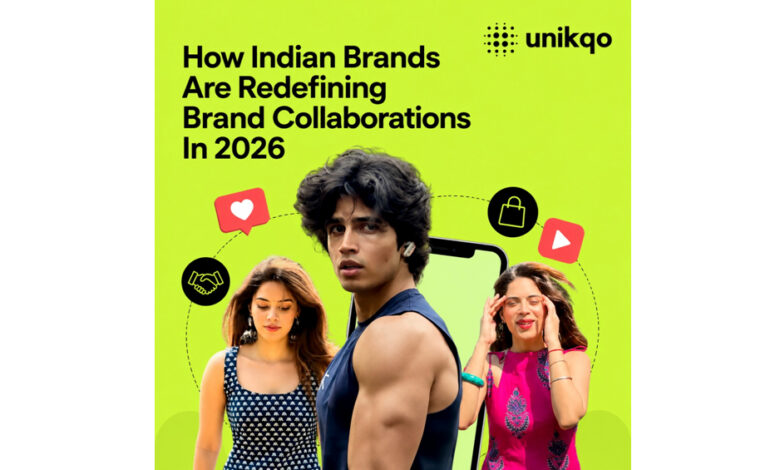
New Delhi, India: Influencer marketing in India is no longer just about celebrity endorsements or viral moments. As businesses focus on measurable growth instead of vanity metrics, a new wave of creator partnerships is changing how brands connect with consumers.
About Unikqo


Unikqo is an AI-powered influencer marketing agency and creator management platform that helps brands execute data-driven creator campaigns across India. The company offers end-to-end influencer marketing solutions, including creator discovery, campaign planning, influencer outreach, content coordination, campaign execution, AI-powered reporting, and performance analytics. With a growing network of creators across multiple industries, Unikqo enables startups, D2C brands, enterprises, and emerging businesses to build meaningful creator partnerships that deliver measurable business outcomes.
Website: https://unikqo.com/
According to an internal analysis by Unikqo, based on more than 50 influencer marketing campaigns involving over 500 nano and micro creators, selected campaigns recorded up to a 7% improvement in Return on Ad Spend (ROAS). The findings point to a broader industry shift where trust, relevance, and consistent storytelling are becoming stronger indicators of campaign success than follower counts alone.From D2C and eCommerce to healthcare, fintech, education, beauty, real estate, and consumer goods, brands across sectors are increasingly investing in creator-led campaigns designed to build long-term customer relationships rather than simply generate impressions.
“Influencer marketing has evolved from being an awareness channel into a strategic growth engine,” said Keshav Roy, CEO of Unikqo. “Brands today aren’t just looking for creators with large audiences. They want creators who genuinely influence purchasing decisions and can build lasting trust with their communities. That’s where we see the biggest opportunity for businesses.”
Over the past few years, consumer behaviour has changed significantly. Product discovery now happens through Instagram Reels, YouTube Shorts, creator reviews, and educational content far more often than through traditional advertising. As audiences spend more time engaging with creators they trust, businesses are rethinking how they allocate their marketing budgets.
Instead of relying on a single celebrity influencer, many companies are building diverse creator portfolios that include multiple nano and micro influencers. These creators often maintain closer relationships with their followers, making recommendations feel more authentic and relatable.
Unikqo’s campaign analysis found that brands working with a mix of niche creators consistently achieved stronger engagement quality and more meaningful business outcomes compared to campaigns focused solely on larger influencers. For startups, regional businesses, and D2C brands, this strategy also delivers better audience targeting while keeping campaigns cost-effective.Another noticeable shift is the growing preference for long-term creator partnerships. Rather than commissioning one-off sponsored posts, brands are increasingly collaborating with creators over extended periods, allowing them to become genuine advocates for the products they promote.
This approach strengthens brand recall, creates more authentic storytelling, and helps audiences develop greater confidence in product recommendations. When creators regularly feature products they genuinely use, the content feels less promotional and more like real-life experiences, making it more likely to influence purchasing decisions.
The way marketers evaluate influencers is also changing. Follower count is no longer the primary benchmark. Today’s campaigns are planned around measurable indicators such as engagement rate, audience quality, demographic relevance, website traffic, conversions, sales attribution, and overall Return on Ad Spend. This performance-driven mindset is helping businesses make smarter investment decisions while holding campaigns accountable for tangible results.
Technology is playing an equally important role in this transformation. Artificial intelligence is streamlining every stage of influencer marketing, from creator discovery and audience analysis to fake follower detection, campaign forecasting, performance tracking, and ROI reporting. By combining data-driven insights with creative storytelling, brands can identify creators who are genuinely aligned with their target audience while improving campaign transparency and efficiency.
Short-form video continues to dominate content consumption across social platforms. Instagram Reels, YouTube Shorts, product demonstrations, unboxing videos, educational content, creator reviews, and behind-the-scenes storytelling remain some of the most effective formats for capturing attention and driving purchase decisions.Brands are also moving beyond lifestyle influencers to collaborate with specialists across healthcare, finance, education, technology, real estate, travel, automotive, fitness, parenting, food, and home improvement. These industry-specific creators often command greater authority within their communities, resulting in higher engagement and stronger consumer trust.
As influencer marketing becomes increasingly data-driven, businesses are paying closer attention to campaign metrics such as reach, impressions, click-through rates, cost per engagement, website sessions, lead generation, conversion rates, customer acquisition costs, and overall return on investment. These insights not only help optimise future campaigns but also enable brands to build long-term relationships with creators who consistently deliver measurable value.
With India’s creator economy continuing to expand, businesses that prioritise authenticity, performance, niche communities, and sustained partnerships are likely to gain a lasting competitive advantage. Influencer marketing is no longer simply another advertising channel—it has become an essential business strategy for brands looking to build trust, strengthen customer relationships, and drive sustainable growth in an increasingly digital marketplace.
Frequently Asked Questions (FAQs)
1. What are the biggest influencer marketing trends in 2026?
The biggest trends include the rise of nano and micro influencers, long-term creator partnerships, AI-powered campaign management, performance-driven marketing, short-form video content, and data-backed creator selection.
2. Why are nano and micro influencers becoming more popular?
They typically have highly engaged communities that trust their recommendations, resulting in stronger engagement and improved campaign performance.
3. How are brands measuring influencer marketing success?
Brands increasingly evaluate campaigns using engagement rate, reach, impressions, website traffic, lead generation, conversions, Return on Ad Spend (ROAS), customer acquisition cost, and overall business impact.
4. Why are long-term creator partnerships replacing one-time promotions?
Long-term collaborations help creators build credibility while giving brands consistent messaging, stronger customer trust, better brand recall, and improved campaign performance over time.
5. Which industries benefit the most from influencer marketing?
Industries including eCommerce, D2C, fashion, beauty, healthcare, fintech, education, real estate, travel, food, automotive, and technology are increasingly using influencer marketing to drive awareness, engagement, and sales.